Roof-Over & Overlay Installation
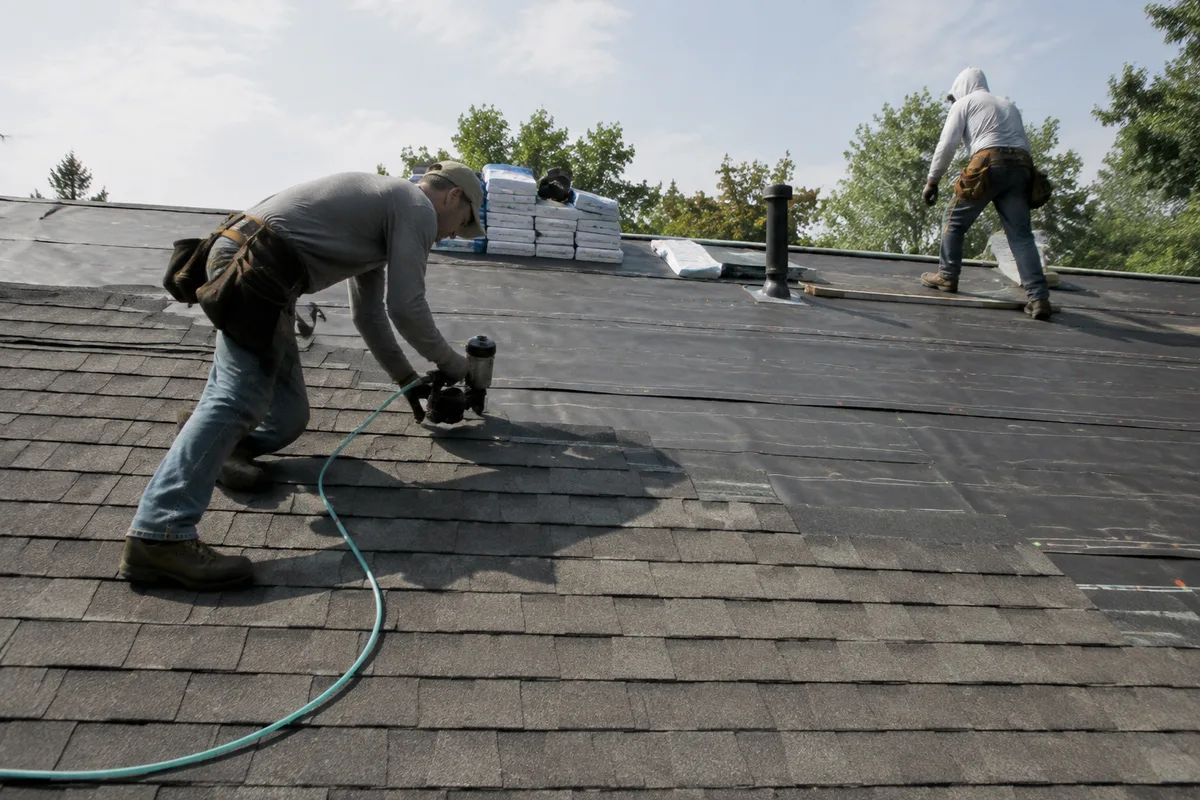
Roof-Over & Overlay Installation
A roof-over, or overlay, installs a new roofing layer directly over an existing one instead of tearing the old roof off first. Homeowners typically consider it when a roof has one layer already down, the deck below is sound, and the goal is a faster path to a refreshed roof surface. Whether an overlay is the right call depends on what is actually happening underneath the surface, which is why that step comes first.
Checking What's Underneath
- Core Sampling Tools — Test cuts show exactly how many layers are already on the roof and whether wet insulation is hiding underneath.
- Moisture Meters — Direct readings across the deck separate a dry roof from one holding water that an overlay would seal in.
- Handheld Infrared Cameras — Thermal scanning finds wet insulation and hidden leak paths before a new layer goes down over them.
- Drones with Thermal & High-Res Cameras — Aerial imaging reviews the whole roof surface for damage without foot traffic on it.
Planning and Documentation
- Aerial Measurement Platforms (EagleView) — Aerial measurement reports give exact material counts before the overlay begins.
- Photo Documentation Apps (CompanyCam) — Time- and location-stamped photos of the roof's condition and each stage of the work, so you see what we see.